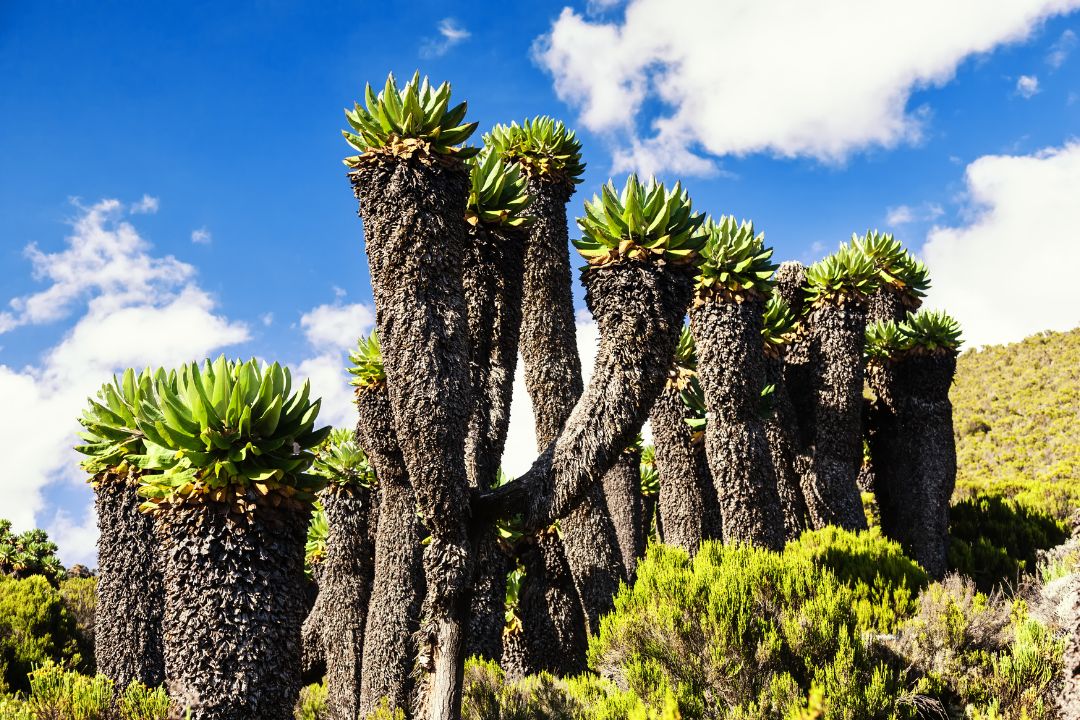
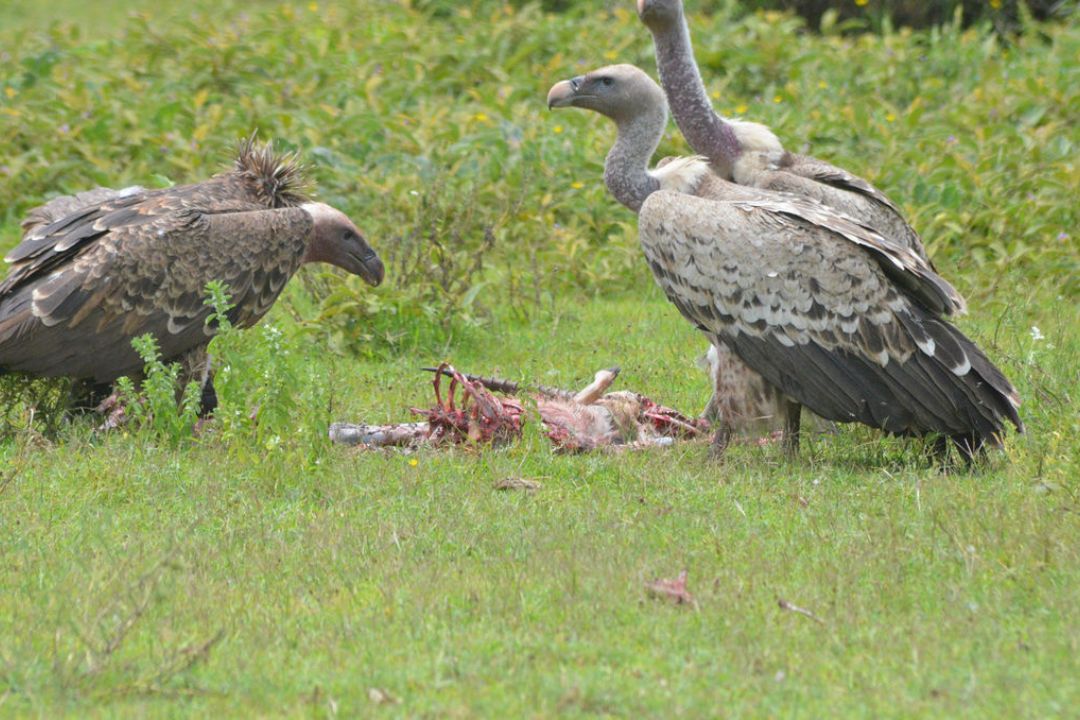

Climbing Mount Kilimanjaro and going on safari creates a complete Tanzania adventure, but the itinerary must account for fatigue, altitude, equipment and travel time.
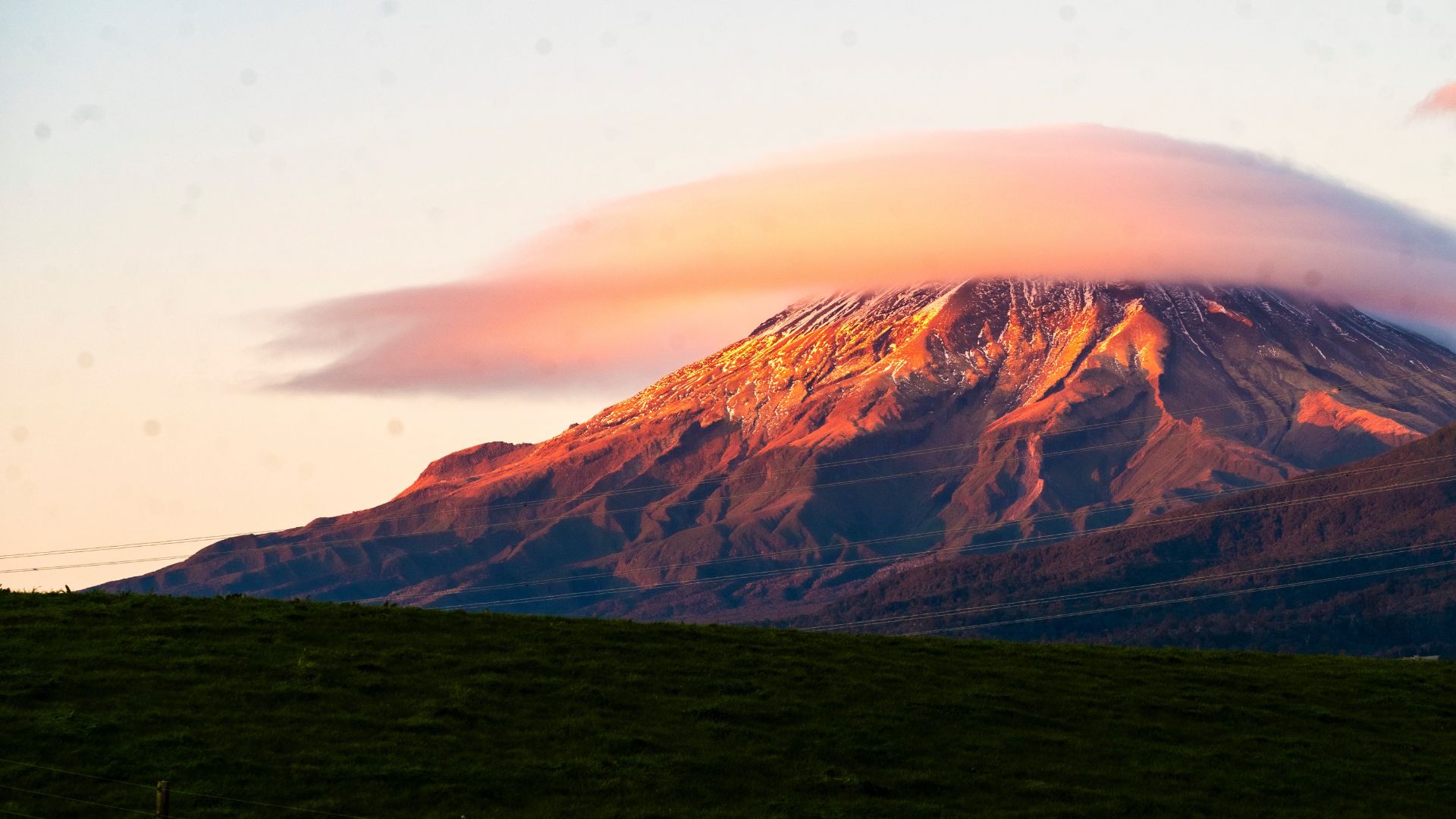
Mount Kilimanjaro rises to 5,895 metres and is Africa’s highest mountain. Reaching the summit is physically demanding even though most standard routes do not require technical climbing skills. A longer, professionally guided ascent generally provides more acclimatisation opportunity than a rushed schedule.
Should You Climb Before or After Safari?
Most travellers climb first and safari afterward.
Advantages of Climbing First
- You begin the mountain while fresh
- You avoid worrying about summit performance during safari
- Safari becomes a recovery and celebration period
- Mountain luggage can be stored or reorganised
Reasons to Safari First
- A short safari can help travellers adjust to time zone and travel fatigue
- It may fit flight schedules
- Some travellers want a relaxed introduction before trekking
Do not schedule a demanding game drive immediately after a late descent if you expect to be exhausted.
How Many Days for Kilimanjaro?
Route duration varies. Common routes include Marangu, Machame and Lemosho, among others. The shortest itinerary is not necessarily the safest or most successful.
When comparing climbs, consider:
- Number of acclimatisation days
- Daily elevation gain
- Camp or hut arrangements
- Descent profile
- Guide-to-climber ratio
- Emergency oxygen and medical procedures
- Porter welfare
- Equipment quality
Choose an itinerary based on safety and acclimatisation rather than price alone.
How Many Safari Days After the Climb?
A four- to six-day safari works well after Kilimanjaro. A sample route is:
- Recovery night in Moshi or Arusha
- Tarangire: 1–2 nights
- Serengeti: 2–3 nights
- Ngorongoro or Karatu: 1 night
Add Zanzibar for a longer holiday.
For a shorter trip, choose Tarangire and Ngorongoro or fly directly to Serengeti.
Sample 15-Day Kilimanjaro and Safari Plan
- Day 1: Arrive in Tanzania
- Day 2: Equipment check and mountain briefing
- Days 3–9: Kilimanjaro climb using a seven-day route
- Day 10: Recovery and transfer
- Day 11: Tarangire
- Days 12–13: Serengeti
- Day 14: Ngorongoro area
- Day 15: Crater visit and departure or Zanzibar flight
Add four to six Zanzibar nights for a full mountain, safari and beach itinerary.
Separate Mountain and Safari Luggage
Kilimanjaro equipment is specialised. You may have:
- Trekking duffel for porters within the operator’s weight rules
- Daypack carried by the climber
- Safari clothing stored at the hotel or operator base
- Clean shoes and clothing for post-climb travel
Confirm storage security and domestic-flight baggage limits.
Health and Acclimatisation
Altitude illness can affect fit and experienced hikers. Physical training does not eliminate altitude risk.
A reputable mountain team should:
- Conduct daily health checks
- Monitor symptoms
- Carry appropriate emergency equipment
- Use trained guides
- Have a clear evacuation plan
- Encourage slow ascent and hydration
- Make conservative decisions when symptoms worsen
Travellers should obtain medical advice before climbing, especially with heart, lung, blood, neurological or other significant conditions.
Porter Welfare and Ethical Climbing
Porters are central to Kilimanjaro operations. Ask how the company manages:
- Weight limits
- Wages and payment
- Food
- Shelter
- Equipment
- Tipping transparency
- Illness and evacuation
A very cheap climb may transfer hidden costs to staff safety and welfare.
Best Time to Combine Kilimanjaro and Safari
January to early March and June to October are popular for mountain conditions and safari travel. January and February can combine the climb with southern Serengeti calving. July through October can combine it with dry-season wildlife and northern migration areas.
Weather can change rapidly on the mountain in every month.
Frequently Asked Questions
How fit must I be for Kilimanjaro?
You need good endurance, the ability to walk for several consecutive days and preparation for steep or long summit hours. Acclimatisation remains essential regardless of fitness.
Can I climb Kilimanjaro without a guide?
Kilimanjaro climbs must be arranged through authorised guiding operations under park requirements. Independent unguided climbing is not the normal legal option.
How soon after the climb can I safari?
Many travellers begin after one recovery night. Your condition, route and descent experience should determine the schedule.
Can I go directly from Kilimanjaro to Zanzibar?
Yes through flight connections, but many travellers prefer to add safari before the beach.
Related Tanzania Travel Guides
Plan Your Trip With Kilimanjaro Wildclimb Adventures
Kilimanjaro Wildclimb Adventures can coordinate your mountain dates, recovery night, safari route and beach extension so the journey works as one plan. Plan Kilimanjaro and Safari