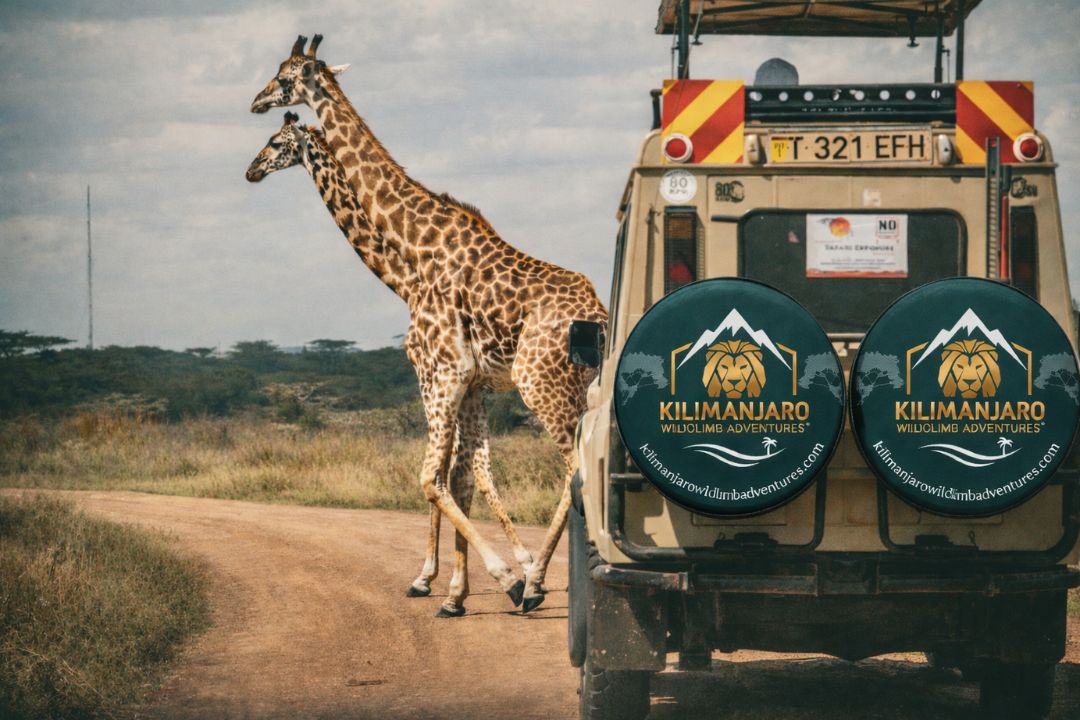

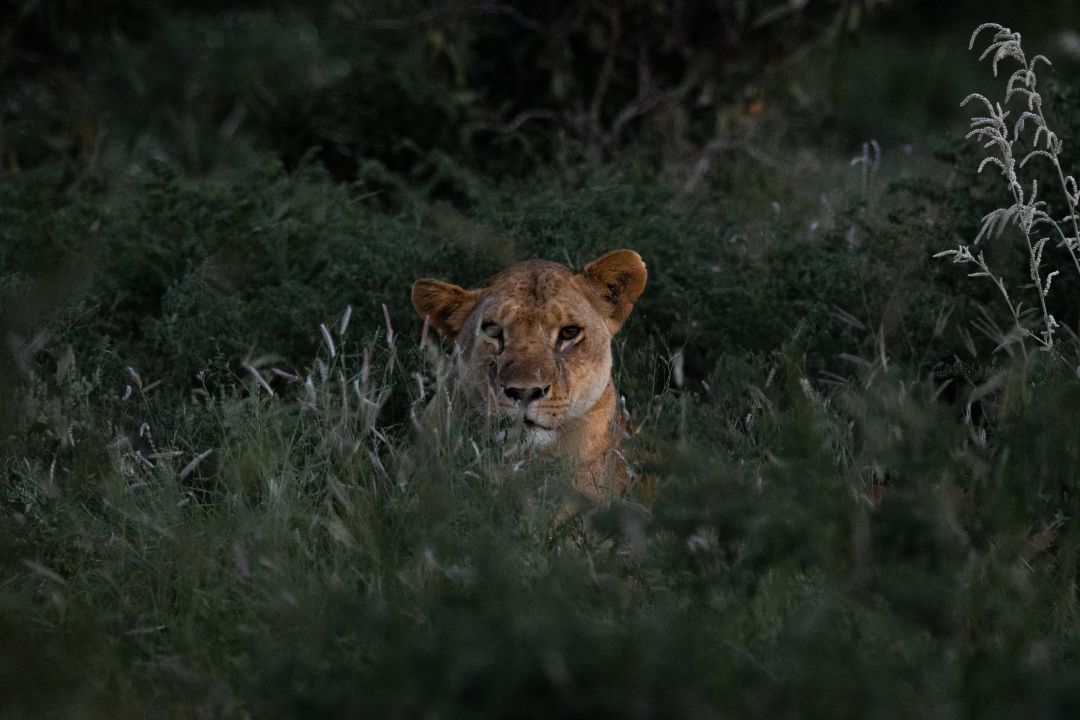
Serengeti is not one small game-viewing area. It is a vast ecosystem with different regions, habitats, seasonal camps and airstrips. The most common planning mistake is choosing accommodation by name or price without checking whether its location matches the season and the traveller’s objectives.
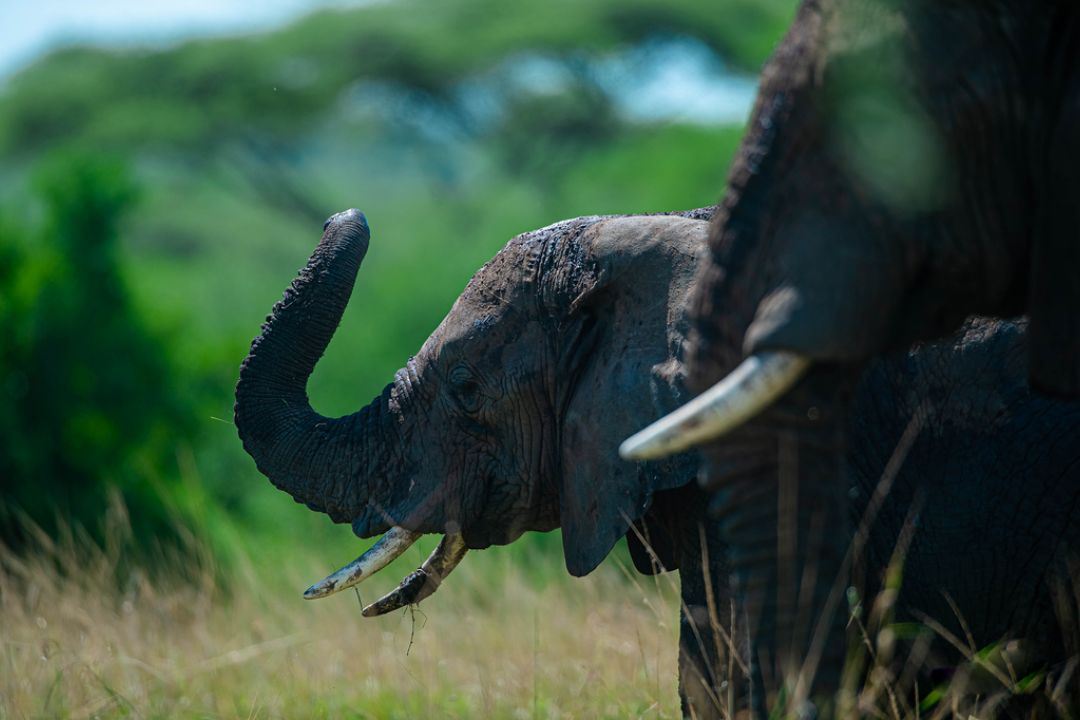
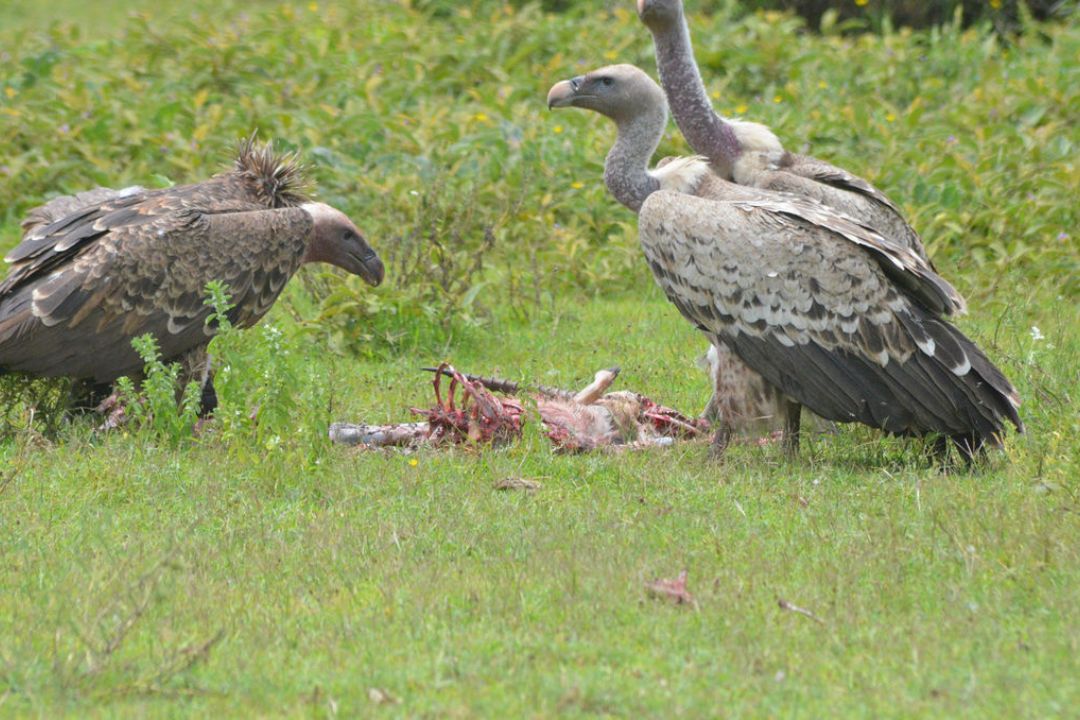
Serengeti is famous for the Great Migration, but it also supports resident wildlife throughout the year. Lions, leopards, cheetahs, elephants, giraffes, buffaloes, hyenas, antelopes and hundreds of bird species make the park rewarding even when the largest wildebeest herds are elsewhere.
Understanding the Main Serengeti Regions
Central Serengeti and Seronera
Central Serengeti is a strong year-round choice. Permanent water and varied habitats support resident wildlife, including large predators. It also has a concentration of lodges, camps, roads and an airstrip.
Central Serengeti works well for:
- First-time visitors
- Year-round wildlife viewing
- Shorter Serengeti stays
- Trips combining road and air travel
- Travellers interested in big cats
It can be busy during peak periods, especially near major sightings.
Southern Serengeti and Ndutu Ecosystem
The southern plains become especially important from approximately December through March, depending on rainfall. This region is associated with the gathering of migratory herds and the wildebeest calving period.
Some camps are seasonal. Note that Ndutu spans areas with different administrative arrangements, so itineraries must account for the correct permits and locations.
Western Corridor
The western Serengeti includes woodland, river systems and migration routes. It is often discussed in relation to May, June and early dry-season movement, although herd timing varies.
This region can reward travellers with fewer vehicles in selected areas and a different landscape from the open southern plains.
Northern Serengeti
Northern Serengeti is known for rolling landscapes, the Mara River and possible wildebeest crossings from roughly July through October. Crossings are not scheduled and cannot be guaranteed.
Because distances are large, travellers should stay in the north rather than attempt repeated day trips from central Serengeti.
Eastern Serengeti
Eastern areas can offer open landscapes, cheetah habitat and seasonal migration movement. Access and camp availability vary. An operator should confirm the current route, road conditions and permit requirements.
Best Time to Visit Serengeti
Serengeti is a year-round destination.
- January to March: Southern ecosystem and calving focus
- April to May: Green season, fewer visitors and dispersed movement
- June to July: Western and northward migration movement
- August to October: Northern Serengeti and possible river crossings
- November to December: Short rains and southward return
For general wildlife, central Serengeti remains productive in many months.
How Long Should You Stay?
Three nights is a useful minimum for most first-time visitors. Four or more nights are better when:
- You are targeting migration events
- You want a relaxed pace
- Photography is a major priority
- You are staying in a remote region
- You want to divide time between two Serengeti areas
A one-night Serengeti stay usually involves too much driving and too little exploration.
Road Safari or Fly-In Safari?
Road Safari
Driving from Arusha through Tarangire, Lake Manyara or Ngorongoro creates a complete northern-circuit journey. It is practical for travellers visiting several parks.
Fly-In Safari
Flights can connect Arusha, Kilimanjaro, Zanzibar and other destinations with Serengeti airstrips. Flying saves time, especially for northern Serengeti or a beach extension.
Combination Safari
Many travellers drive into Serengeti and fly out to Zanzibar or Arusha. This avoids repeating the same road and maximises holiday time.
What Is a Serengeti Game Drive Like?
Game drives may begin early in the morning, continue for a full day with a picnic, or be divided into morning and afternoon sessions. Your guide uses knowledge, tracks, radio reports and observation to locate wildlife.
The best game drive is not always the one covering the greatest distance. Sometimes waiting quietly near a leopard, lion pride or cheetah produces a more meaningful experience than racing between sightings.
Where Should You Stay?
Serengeti accommodation includes:
- Permanent lodges
- Permanent tented camps
- Seasonal migration camps
- Mobile camps
- Public and special campsites
- Luxury and exclusive-use properties
Evaluate location, not only room photographs. Ask how long it takes to reach the main game-viewing areas for your month.
Responsible Wildlife Viewing
Good safari conduct protects animals and improves the experience:
- Stay on authorised roads unless regulations permit otherwise
- Do not pressure wildlife with the vehicle
- Keep noise low near animals
- Never feed wildlife
- Give predators and animals with young extra space
- Follow limits on vehicles around sensitive sightings
- Take all litter out
Frequently Asked Questions
Can I see the Great Migration from central Serengeti?
At certain times, yes, but the largest herds move seasonally. Camp location should match the expected stage of the migration.
Is Serengeti suitable for a honeymoon?
Yes. Small tented camps, private vehicles, scenic sundowners and fly-in options can create an excellent honeymoon itinerary.
Are there mosquitoes in Serengeti?
Mosquito presence varies by season and location. Use repellent and consult a travel-health professional about malaria prevention.
Can I visit Serengeti from Zanzibar?
Yes, usually by scheduled flight to a Serengeti airstrip. The most practical itinerary depends on flight schedules and the park region.
Related Tanzania Travel Guides
Plan Your Trip With Kilimanjaro Wildclimb Adventures
The correct Serengeti camp depends on your month, not just your budget. Kilimanjaro Wildclimb Adventures will match your dates with the most practical park region and build enough time for genuine wildlife viewing. Plan a Serengeti Safari