
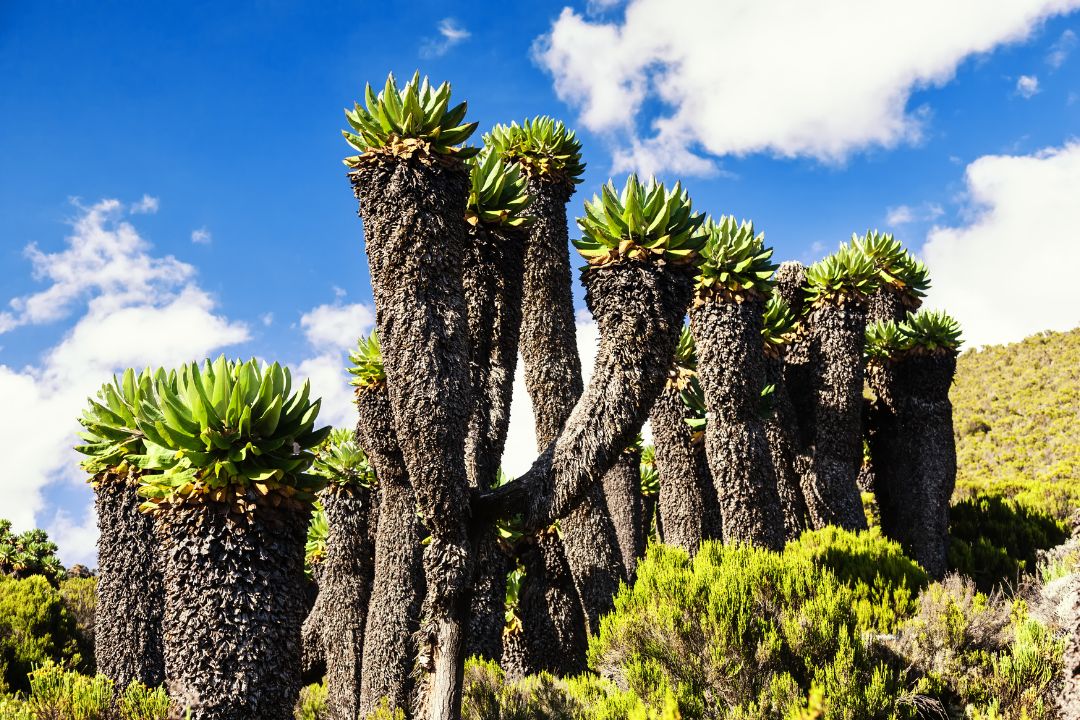
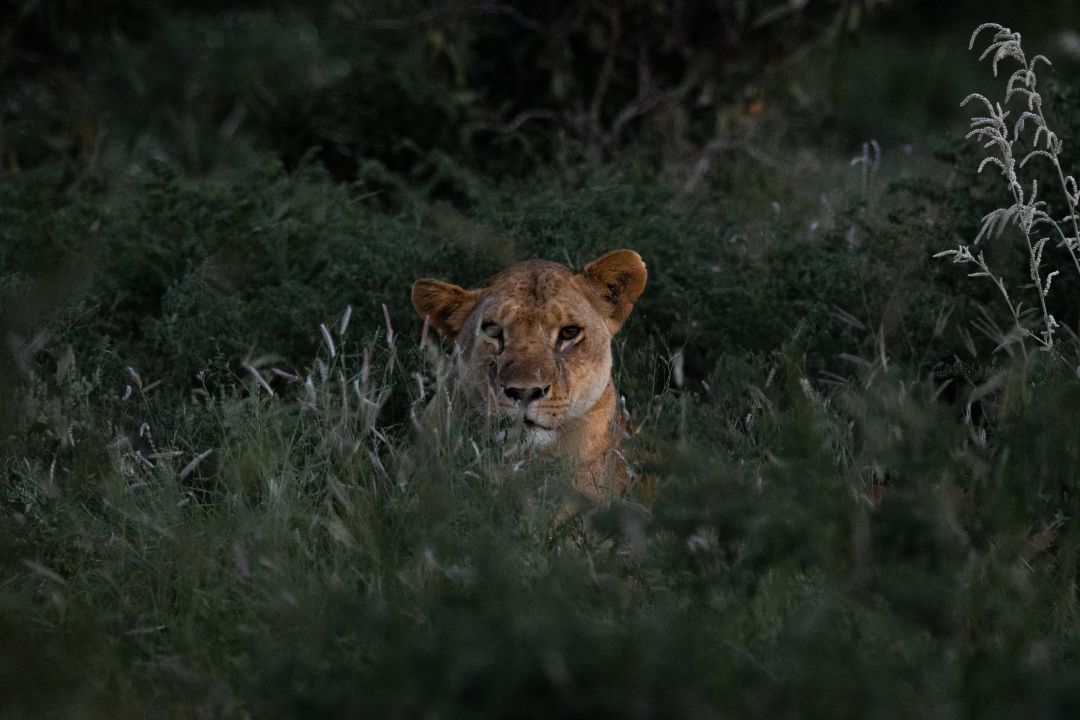

Tanzania provides extraordinary photographic variety: open Serengeti plains, Ngorongoro highlands, Tarangire baobabs, Zanzibar coastlines and wildlife behaviour across changing seasons.
Good safari photography depends less on owning the most expensive camera than on light, patience, stable technique, guide communication and ethical positioning.
Choose the Right Safari Arrangement
A private vehicle gives photographers the greatest flexibility. You can stay longer, choose the best side of the vehicle, depart early and avoid frustrating non-photographers.
When joining a shared vehicle, ask:
- Maximum number of guests
- Whether everyone has a window position
- Roof design
- Luggage and camera storage
- Charging options
- Whether beanbags are provided
Two photographers with large lenses may need an entire row each.
Recommended Camera Equipment
A practical wildlife kit may include:
- Camera with reliable autofocus
- Telephoto zoom such as 100–400mm or similar range
- Wider lens for landscapes and animals near the vehicle
- Spare camera body if photography is central to the trip
- Multiple batteries
- Large memory cards
- Beanbag
- Lens cloth and blower
- Rain cover or protective wrap
- Laptop or backup drive when needed
Full-frame and crop-sensor cameras can both perform well. Use equipment you understand rather than learning every control during a lion sighting.
Smartphone Photography
Phones are excellent for:
- Landscapes
- Camp details
- People with consent
- Close elephants or giraffes
- Video clips
- Panoramas
Avoid digital zoom when possible. Clean the lens frequently and use exposure adjustment to protect bright skies.
Basic Wildlife Camera Settings
Settings depend on light and subject, but these principles help:
Use a Fast Shutter Speed
Moving animals, vehicle vibration and long lenses require faster shutter speeds than many beginners expect. Birds and running animals need especially fast settings.
Control Aperture
A wider aperture can isolate an animal from the background. A smaller aperture may be useful when several animals must remain sharp.
Use Auto ISO Carefully
Auto ISO allows the camera to respond to changing light while you control shutter speed and aperture. Set a maximum that your camera can handle acceptably.
Continuous Autofocus and Burst Mode
Use continuous focus for moving subjects and short controlled bursts for behaviour. Avoid filling cards with hundreds of identical frames.
Check Exposure Compensation
Dark animals against bright grass or bright birds against dark trees can confuse the meter. Review the histogram rather than relying only on the screen.
Photograph in the Best Light
Early morning and late afternoon offer warm light, long shadows and active wildlife. Midday can still produce important behaviour, especially around water, shade or a kill.
Backlight can transform dust, fur and silhouettes. Cloudy weather creates soft, even light that works well for portraits.
Do not abandon a sighting only because the light is difficult. Change the story: photograph the landscape, behaviour or atmosphere.
Communicate with Your Guide
Tell the guide what you need before the game drive:
- Preferred side of light
- Low-angle opportunities from authorised roads
- Interest in birds, predators or landscapes
- Need to remain longer at a sighting
- Desire to avoid vehicle clusters
Guides understand wildlife and road networks. Photographers understand framing. The best results come from collaboration.
Protect Equipment from Dust
Dry-season dust enters vehicles and camera bags.
- Keep unused equipment covered
- Avoid changing lenses during dusty movement
- Use a blower before wiping glass
- Store cameras in accessible padded bags
- Clean equipment at camp, not over open soil
- Carry separate cloths for screens and lenses
Do not seal damp equipment inside a bag after rain. Allow controlled drying.
Batteries, Charging and Backup
Remote camps may limit charging hours. Bring enough batteries for a full day and use labelled pouches for charged and empty batteries.
Back up photographs to two locations when possible. Keep one copy separate from the main camera bag. Do not format cards until backups are verified.
Ethical Wildlife Photography
Never ask a guide to:
- Chase an animal
- Block its path
- Drive illegally off-road
- Separate a mother and young animal
- Crowd a predator
- Make noises to force eye contact
- Disturb a resting animal
Natural behaviour produces stronger images than stressed behaviour.
For people and cultural experiences, obtain clear permission before photographing or publishing identifiable individuals.
Best Tanzania Destinations for Photography
Serengeti
Best for expansive landscapes, predators, migration movement and varied regions.
Ngorongoro
Best for dramatic overview images, concentrated wildlife and highland weather.
Tarangire
Best for elephants, baobabs, dust and textured landscapes.
Ruaha
Best for rugged wilderness, baobabs, predators and lower vehicle density.
Nyerere
Best for river scenes, boat-based perspectives and varied safari activities.
Zanzibar
Best for architecture, coast, dhow scenes, food and culture—with consent for people.
Frequently Asked Questions
What is the best lens for a Tanzania safari?
A telephoto zoom around the 100–400mm class is versatile for many travellers, while a wider lens is useful for landscapes and close animals. The best choice depends on camera system and photographic style.
Do I need a tripod?
A full tripod is rarely practical inside a safari vehicle. A beanbag, monopod or vehicle support is often more useful. Tripods may help at camps or for night-sky work.
Can I charge cameras at safari camps?
Usually, but power may be limited. Confirm voltage, socket type and charging hours and bring spare batteries.
Are drones allowed?
Drone use requires permissions and is restricted in protected areas. Never carry or operate a drone without confirming all national, aviation, park and local requirements.
Related Tanzania Travel Guides
Plan Your Trip With Kilimanjaro Wildclimb Adventures
Tell Kilimanjaro Wildclimb Adventures about your camera equipment and photographic priorities. We can recommend a private vehicle, strategic camp locations and a pace that values light and behaviour. Plan a Photography Safari