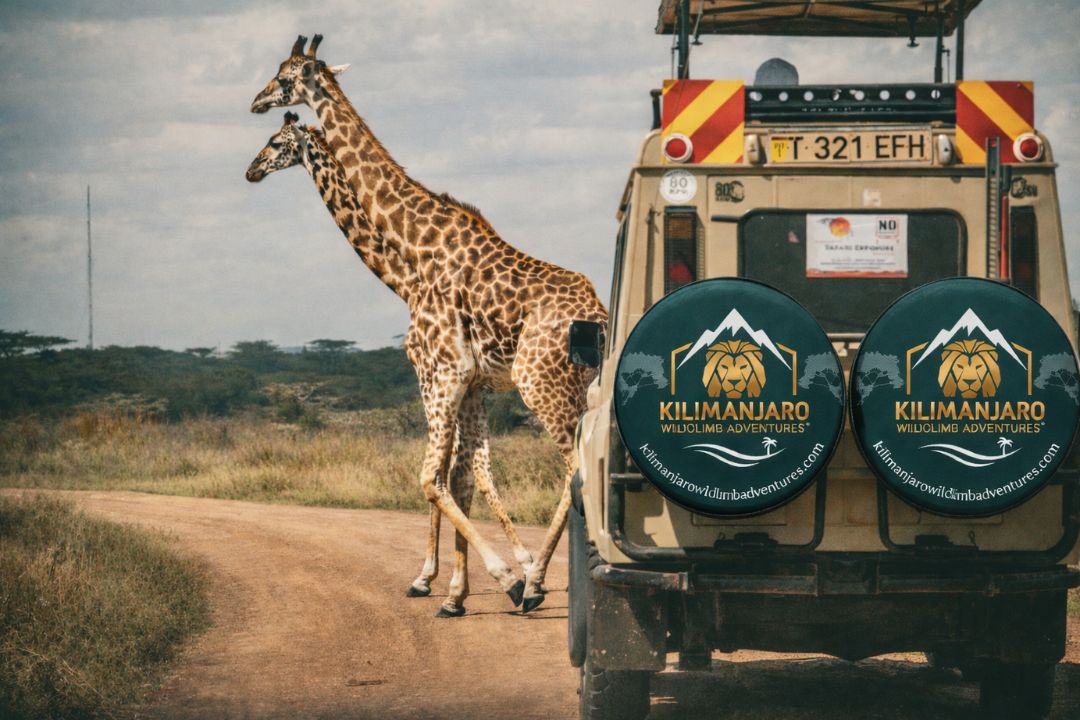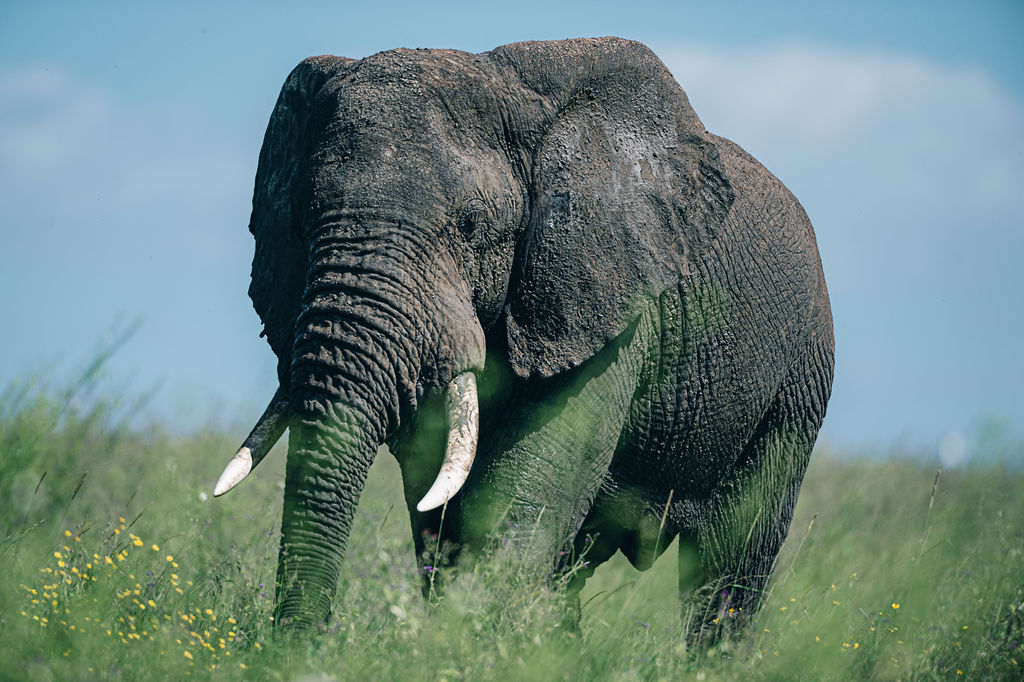


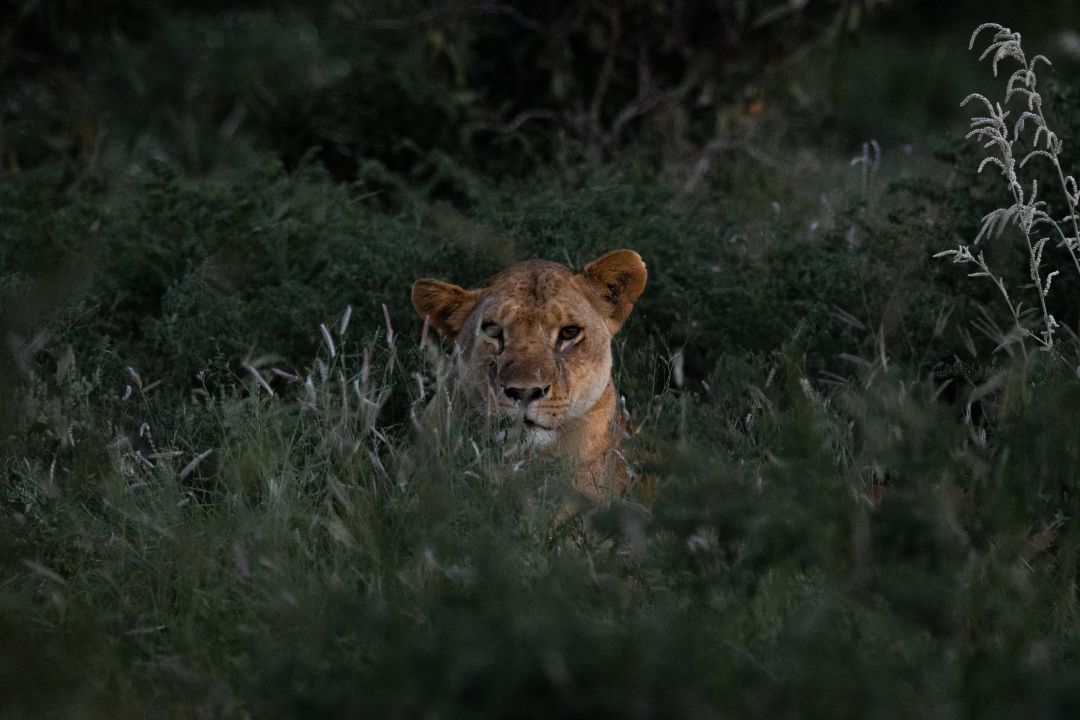
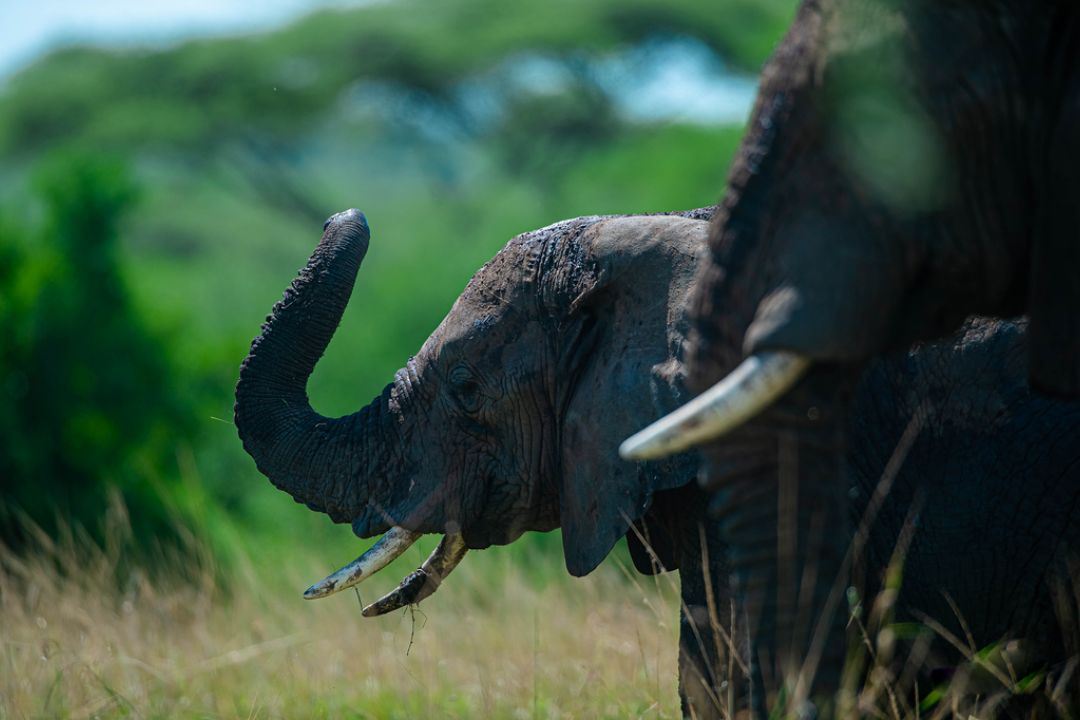
Tarangire is sometimes treated as a quick stop on the way to Serengeti, but it deserves more attention. Its baobab-studded landscapes, river system, elephant herds, birdlife and quieter corners create a distinct safari experience.
The park lies within Tanzania’s northern circuit and is accessible by road from Arusha. It can be visited as a day trip, but one or two nights allow a more complete experience and reduce rushed driving.
What Makes Tarangire Special?
The Tarangire River is a major ecological feature. During dry periods, water becomes limited across the surrounding ecosystem and animals concentrate around the river, swamps and other reliable sources.
Tarangire is particularly known for:
- Large elephant herds
- Ancient-looking baobab trees
- Giraffes, zebras, wildebeest and buffaloes
- Lions and other predators
- Rich birdlife
- Seasonal wildlife concentrations
- A landscape that differs from Serengeti’s open plains
Wildlife distribution changes with rainfall, so the park feels different throughout the year.
Best Time to Visit Tarangire
June to October
The dry season is the classic period for Tarangire. Wildlife can gather in large numbers near permanent water, vegetation becomes easier to see through, and elephants are often prominent.
This is also a popular season, so areas close to main roads and the river can become busy.
November to March
The landscape becomes greener, birding is excellent, and many animals disperse into the wider ecosystem. This period can still provide rewarding game drives with fewer vehicles and attractive photography conditions.
April and May
The long rains bring lush scenery and quiet conditions. Some roads may be difficult and selected properties may close. A local operator should confirm access and accommodation.
How Many Nights Should You Stay?
One night provides a useful introduction. Two nights are better for travellers who enjoy elephants, birding, photography or a slower pace.
A day trip from Arusha is possible, but it involves several hours on the road and gives less flexibility for early and late game viewing.
Where to Stay
Accommodation options include camps and lodges inside the park, properties near the entrance, and lodges in surrounding wildlife areas.
Inside the Park
Advantages include early access, reduced transfer time and an immersive setting. Prices may be higher because of location and concession costs.
Outside the Park
Properties outside can offer better value, swimming pools and convenient access to other northern-circuit destinations. Confirm the actual drive time to the gate.
Private and Community Areas
Some nearby areas offer walking, night drives or cultural activities that are not available in the same way inside the national park. Activities depend on local rules and the property.
Tarangire for Photographers
Baobabs create strong compositions, especially in early or late light. Elephants often provide behavioural scenes rather than simple portraits. Dust, backlighting and storm clouds can produce dramatic images.
Photographers should consider:
- A private vehicle or limited group size
- A beanbag or stable support
- Dust protection
- At least two game-drive sessions
- Patience around water sources
Tarangire for Families
Tarangire works well for families because it can be reached without a domestic flight and often produces frequent elephant sightings. Choose a lodge with family rooms, flexible meals, a pool and manageable transfer times.
Children must follow wildlife and camp safety instructions. At unfenced camps, escorts may be required after dark.
Combining Tarangire with Other Parks
Tarangire fits naturally into a northern-circuit route:
- Tarangire + Lake Manyara: Shorter safari or family trip
- Tarangire + Ngorongoro: Contrasting landscapes and wildlife density
- Tarangire + Serengeti + Ngorongoro: Classic seven-day itinerary
- Tarangire + Zanzibar: Short bush-and-beach holiday
Avoid entering Tarangire for only a few hours if the route requires a long detour. Your itinerary should reflect actual game-viewing time.
Frequently Asked Questions
Is Tarangire better than Lake Manyara?
They offer different habitats. Tarangire is often chosen for elephants, baobabs and dry-season concentrations, while Manyara offers forest, escarpment scenery, wetlands and birdlife.
Can I see the Big Five in Tarangire?
Tarangire has lions, elephants, buffaloes and occasionally leopards, but it is not known as a reliable rhino destination. Choose a multi-park itinerary rather than judging a park by a checklist.
Are there tsetse flies in Tarangire?
Tsetse flies occur in parts of northern Tanzania. Wear neutral clothing, keep vehicle movement calm and follow your guide’s advice. Their presence varies by area and season.
Is Tarangire suitable in February?
Yes. It may be greener and wildlife can be more dispersed than in the dry season, but birdlife, elephants and scenery can still be excellent.
Related Tanzania Travel Guides
Plan Your Trip With Kilimanjaro Wildclimb Adventures
Ask Kilimanjaro Wildclimb Adventures whether Tarangire deserves one or two nights in your route. We will consider your season, pace and interests rather than using it as an automatic box to tick. Plan a Tarangire Safari