
Your first Tanzania safari can feel exciting and complicated at the same time. You may be comparing national parks, accommodation styles, seasons, vehicles, flights and dozens of itineraries that look almost identical.
A successful safari does not require you to become a wildlife expert. It requires clear priorities, realistic timing and a trustworthy local team.
What Happens on a Typical Safari Day?
Most wildlife viewing happens during game drives in a four-wheel-drive vehicle. A common day begins early, when temperatures are cooler and animals are active. Depending on the itinerary, you may return to camp for breakfast or carry a picnic meal and remain in the park.
Some days include a morning and afternoon game drive. Others involve a full-day drive, particularly in large areas such as Serengeti. Your guide chooses routes based on wildlife reports, weather, road conditions and your interests.
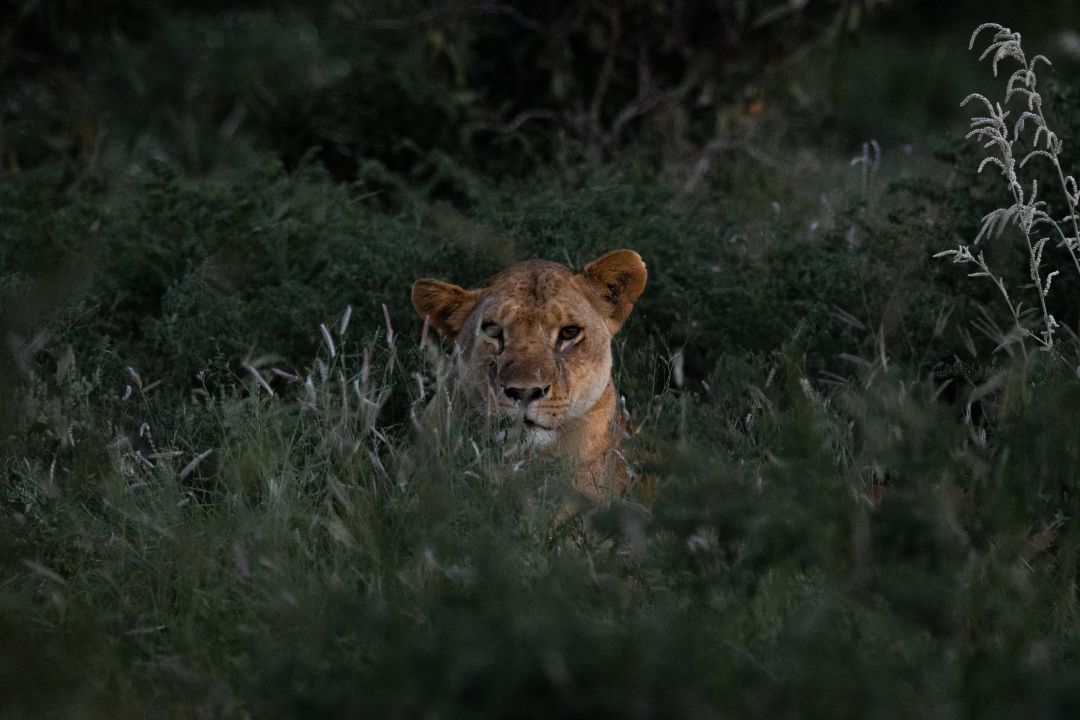
Safari is not a zoo visit. Sightings are not guaranteed, and patience is part of the experience.
Choosing the Right Parks
Serengeti National Park
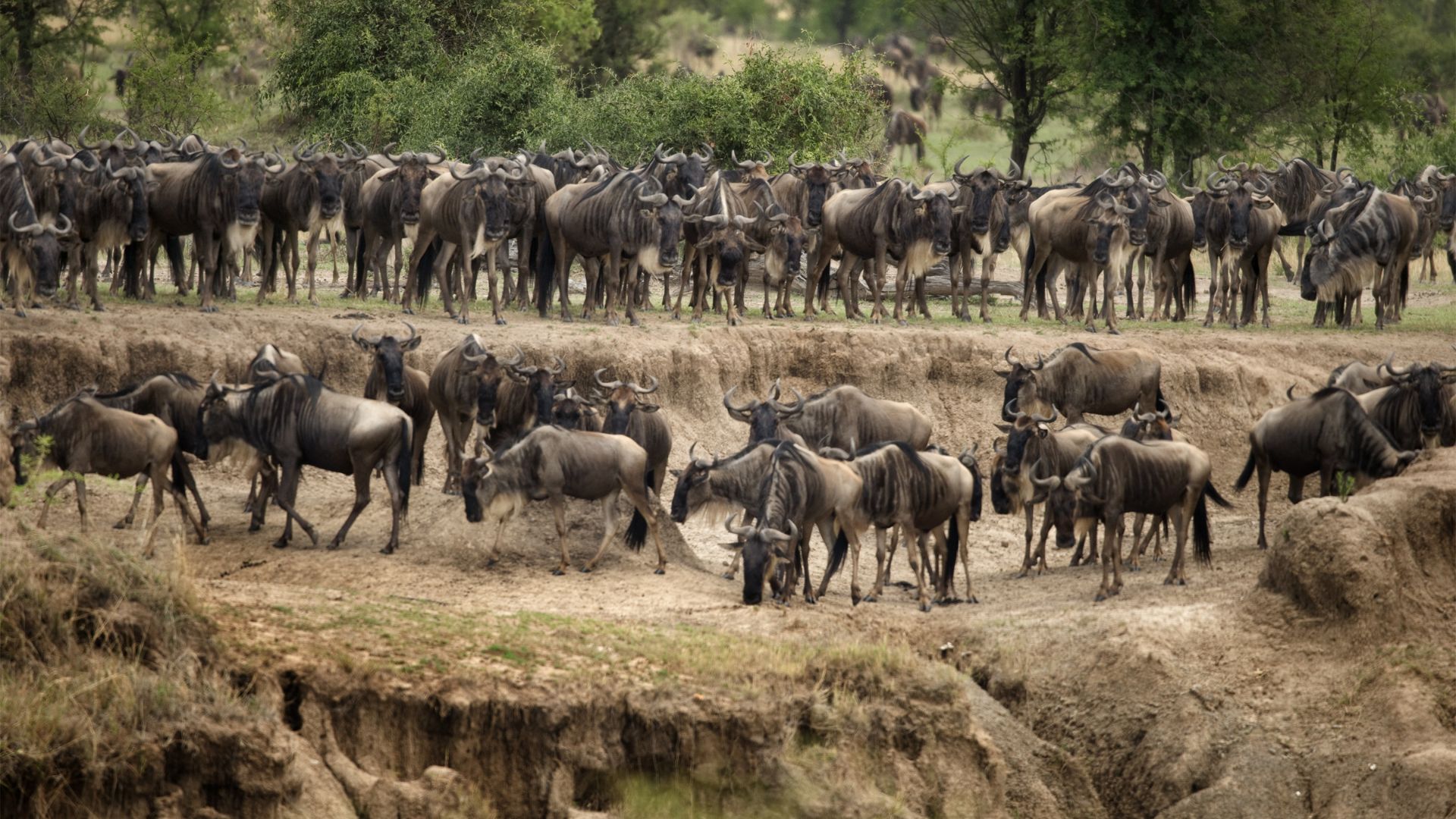
Choose Serengeti for vast landscapes, predators, year-round wildlife and different stages of the Great Migration.
Ngorongoro Crater
The crater offers a concentrated game-viewing experience within a dramatic volcanic landscape. It is often combined with Serengeti.
Tarangire National Park
Tarangire is known for baobab scenery, elephants and dry-season wildlife around the Tarangire River.
Lake Manyara National Park
Manyara provides varied habitats, birdlife, forest scenery and a useful location between Arusha, Tarangire and Ngorongoro.
Arusha National Park
This compact park near Arusha is suitable for walking, canoeing where available, scenery, giraffes, buffaloes, monkeys and birding. It is not a substitute for Serengeti but can be a gentle introduction.
Southern Tanzania
Nyerere and Ruaha suit returning travellers, wildlife enthusiasts and guests seeking large wilderness areas, fewer vehicles and activities that may differ from the northern circuit.
How Long Should Your First Safari Be?
For the northern circuit, five to seven safari days is a practical starting point. A seven-day route can include Tarangire, Serengeti and Ngorongoro without changing accommodation every night.
Add more time when:
- Migration positioning is important
- You want relaxed photography
- You are travelling with children
- You want cultural or walking experiences
- You are combining remote parks
A three-day safari can be enjoyable, but it will involve compromises.
Private Versus Group Safari
A private safari gives your party exclusive use of the vehicle and guide. You can spend longer with a sighting, adjust departure times and manage children or photography equipment more easily.
A group safari reduces cost but requires compromise. Confirm the group size, luggage limits, seating, language, accommodation category and guaranteed departure policy.
Safari Vehicles
A proper safari vehicle should be maintained for rough roads and provide good visibility. Ask about:
- Pop-up roof or photographic access
- Window seating
- Seat belts
- Charging points
- Cooler or drinking-water storage
- Radio communication
- Emergency equipment
- Luggage capacity
Air-conditioning is uncommon during game drives with an open roof and dusty roads, although some vehicles use air-conditioning during closed-roof transfers.
Safari Accommodation
Tented camps are not ordinary camping. Many have permanent or semi-permanent tents with beds, private bathrooms, hot showers, electricity and restaurant service. Lodges use more conventional buildings, while mobile camps may move seasonally to follow wildlife.
At unfenced camps, wildlife can pass nearby. Guests receive safety instructions and may be escorted after dark.
Food and Dietary Requirements
Safari lodges normally provide breakfast, lunch and dinner. Full-day game drives may use picnic lunches. Inform the operator in advance about allergies, vegetarian or vegan needs, religious restrictions, children’s meals and medical diets.
Remote kitchens need notice to prepare specialised ingredients.
Safety on Safari
Follow your guide’s instructions at all times. Do not leave the vehicle in unauthorised places, feed animals, imitate animal calls, stand outside designated areas or walk alone after dark at unfenced camps.
Wild animals can appear calm while remaining unpredictable. Respect distance and never pressure a guide to break park rules for a photograph.
Tipping
Tipping is customary but should reflect service and remain voluntary. Ask your operator for current guidance because expectations vary by group size, trip style and crew roles. Carrying a mix of small, clean notes can be useful.
Connectivity and Electricity
Mobile coverage is available in many towns and selected safari areas but is not reliable everywhere. Camps may use generators or solar power and may switch electricity off overnight. Bring a power bank, universal adapter and spare camera batteries.
Use offline copies of travel documents and emergency contacts.
Booking Your Safari
Before paying, request:
- A day-by-day itinerary
- Exact accommodation names or clear alternatives
- Complete inclusions and exclusions
- Vehicle and guide arrangement
- Payment schedule
- Cancellation terms
- Emergency contact information
- Company registration and payment details
Pay through traceable methods to the company’s official account or verified business channel.
Frequently Asked Questions
Do I need to be physically fit for safari?
Standard vehicle safaris require limited physical activity, although road travel can be bumpy. Tell the operator about mobility needs so the vehicle and accommodation can be selected appropriately.
Will I see the Big Five?
Tanzania offers opportunities to see lion, leopard, elephant, buffalo and rhino, but no operator can guarantee every species. A well-paced route improves your chances.
What clothes should I wear?
Wear comfortable neutral-coloured layers, a hat and closed shoes. Mornings can be cold, afternoons warm, and dust common during dry months.
Can I use my phone for photography?
Yes. Modern phones work well for landscapes and close sightings. A camera with a telephoto lens provides more reach for wildlife at a distance.
Related Tanzania Travel Guides
Plan Your Trip With Kilimanjaro Wildclimb Adventures
Planning your first safari should feel clear, not confusing. Tell Kilimanjaro Wildclimb Adventures your dates, interests and comfort level, and our local team will explain every stage from airport arrival to your final game drive. Start Planning Your First Safari